REVIEW · SAN JUAN
Puerto Rican Gastronomy Cooking Class
Book on Viator →Operated by Atelier Sazon · Bookable on Viator
Farm-to-pan cooking has a special rhythm in Puerto Rico. This class pairs a local farmers market with hands-on cooking of traditional dishes, taught alongside the stories and culture that shaped them. I also like that it’s not just “recipes on a screen”—you pick ingredients from the island and then turn them into something you can actually recreate later. One watch-out: when the group swells, the market portion can feel a little crowded.
The morning starts at Tótem Telúrico in San Juan, with a chef-led walk that gives you context before you ever touch a cutting board. You’ll enjoy a welcome cocktail, then settle in for lunch plus snacks like an appetizer and dessert. If you want a straightforward, social experience with real Puerto Rican flavor, this one fits.
The main drawback to keep in mind is physical comfort. The tour includes some walking and stairs, and it’s not set up with private transportation or an air-conditioned vehicle.
In This Review
- Key things I’d zero in on before you go
- Puerto Rican gastronomy begins at Tótem Telúrico
- Market first: choosing Puerto Rican staples like a local
- From shopping bags to cutting boards: the cooking lesson
- What you’ll make and how the class stays practical
- Lunch, welcome cocktails, and the dessert payoff
- Group size, crowding, and dietary needs you can plan around
- Price of $167: what you’re really paying for
- Who should book this cooking class in San Juan
- Should you book Puerto Rican Gastronomy cooking class?
- FAQ
- What time does the cooking class start, and how long is it?
- Where does the experience meet?
- What’s included with the $167 price?
- Do I need to bring any cooking equipment or ingredients?
- Can the class accommodate dietary restrictions or food allergies?
- How big are the groups, and what happens if the minimum isn’t met?
Key things I’d zero in on before you go
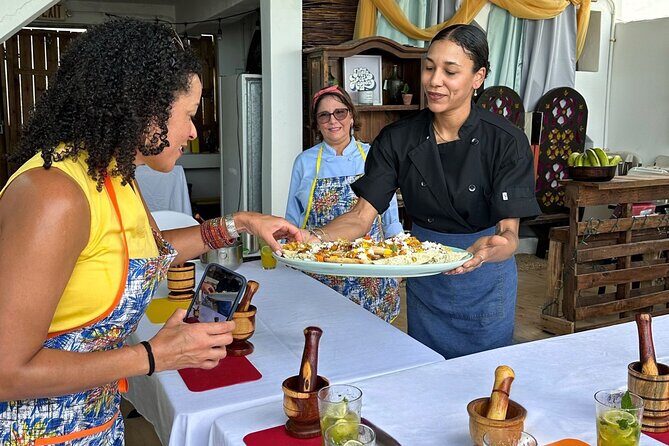
- Farmers market ingredient picking: You choose the day’s staples with the chef, not after the fact.
- Culture built into cooking: Each dish comes with meaning, not just instructions.
- Hands-on cooking time: You do the prep and cooking, using the provided equipment and aprons.
- Food + drinks + dessert included: Lunch, a welcome cocktail, plus appetizer and dessert keep the day moving.
- Smallish groups, but it can still feel busy: Max 16; market crowding is the main complaint to plan around.
- Dietary needs handled with notice: If you share restrictions at least 24 hours ahead, they aim to accommodate.
Puerto Rican gastronomy begins at Tótem Telúrico
This experience is built like a real morning out—start in San Juan, shop, then cook and eat without pretending it’s a museum tour. It begins at 9:00 am at Tótem Telúrico (San Juan, 00901), and it returns to that same point at the end.
The pacing matters. You’re looking at about 3 hours 30 minutes total, and it’s organized so you get enough time to shop, learn, cook, and sit down for lunch. Expect some walking, and yes, there’s at least one flight of stairs along the way. If you’re sensitive to heat, hills, or stair-heavy routes, plan your day accordingly.
Good to know: the tour is near public transportation, so you don’t need a private transfer to make it work. Also, the class uses a mobile ticket, so have your phone ready at check-in.
You can also read our reviews of more tours and experiences in San Juan.


Market first: choosing Puerto Rican staples like a local
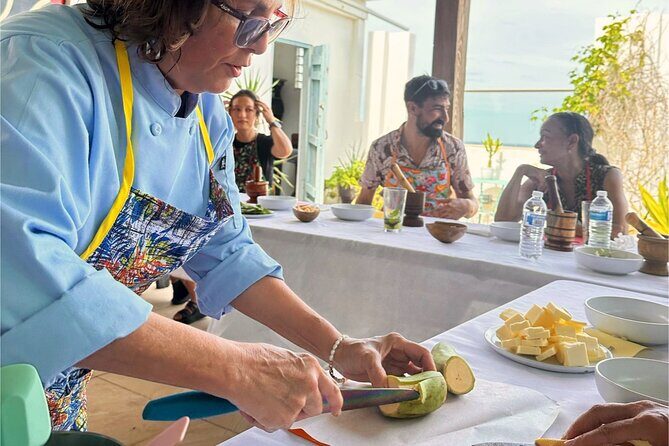
The smartest part of this tour is the order of operations: you start at a local farmers market, then cook what you picked. That changes the whole experience from “watch me make something” to “I picked these ingredients—now I’m cooking them.”
With your chef, you’ll look for Caribbean staples and choose ingredients of the day. You also get time to talk with vendors, which is where you learn what’s actually grown, sold, and used on the island. You’ll hear about staple foods and even agricultural practices—small details that help the cooking lesson feel grounded.
This is also where you’ll understand the logic behind traditional Puerto Rican dishes. Ingredients aren’t random. They reflect what’s available, what works in Puerto Rico’s climate, and what families have been cooking for generations. If you care about making the dish again later, this start helps you remember the “why,” not just the “how.”
One practical consideration: the market segment is also the part that can feel crowded if the group runs at the high end. The class caps at 16 people, but even that number can feel like a crowd in a tight market aisle. If you’re sensitive to noise or elbow space, go in with that expectation.
From shopping bags to cutting boards: the cooking lesson
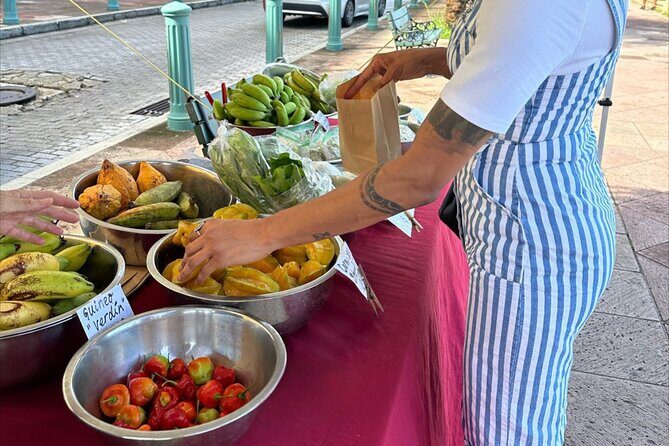
Once the market portion wraps, the class shifts gears into the kitchen portion where you prepare ingredients while the chef explains what you’re making and why it matters culturally. This is the heart of the day.
You’ll follow family-style directions and learn techniques tied to Puerto Rican home cooking. The instructions are hands-on, not passive. You’re not just standing around tasting. You’re rolling up your sleeves, prepping, seasoning, and cooking alongside the group.
A fun cultural touch is built into the guidance: don’t forget a pinch of amor while seasoning. It’s a small line, but it signals the tone of the class—serious about food, relaxed about the craft.
Also, the tour directly encourages you to ask your chef for their secret dessert recipe. Even if the exact method isn’t fully spelled out in the moment, asking that question is part of the fun—and it often leads to extra tips.
What you’ll make and how the class stays practical
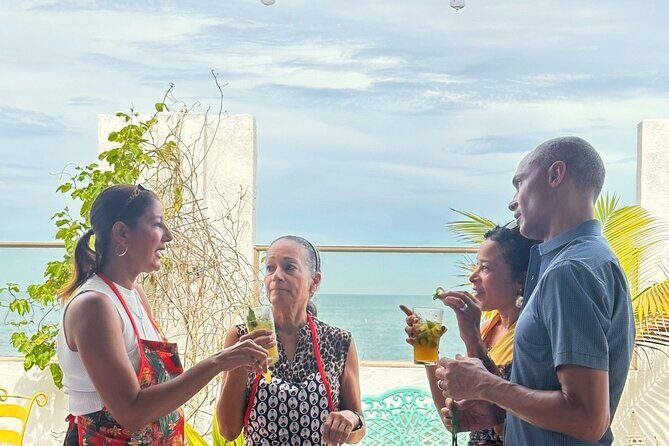
The specific dish isn’t named in the tour details you provided, but the structure is clear: you’ll learn to cook traditional Puerto Rican dishes using ingredients you selected at the market. That’s a practical advantage because you’ll understand the ingredients as you work.
Here’s why that matters for you:
- You get a mental map from ingredient → technique → finished plate.
- You can swap out future ingredients more intelligently if something isn’t available.
- You’ll leave with more confidence than a typical “hands-off” cooking demo.
In the reviews, people emphasized that the class helped them learn both history and food context before cooking started. That order makes it easier to remember what to do, because you understand what the dish is trying to accomplish—flavor, comfort, and identity—rather than just copying steps.
If your goal is to reproduce Puerto Rican flavor at home, this is exactly the kind of class you want: a chef’s guidance, real ingredients, and active cooking time.
Lunch, welcome cocktails, and the dessert payoff
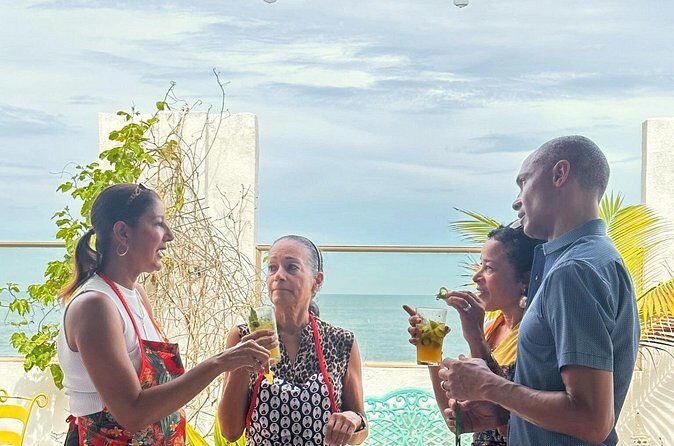
One reason this class feels like a full experience (not just a workshop) is the included food and drink package. You can expect:
- A welcome cocktail on arrival
- Lunch included
- Snacks including an appetizer
- Dessert included
For value, this is a big deal. Cooking classes often charge for the lesson alone, then sell food separately. Here, the day’s meals are part of the price, and alcohol is part of the experience with the welcome cocktail and alcoholic beverages listed as included.
You’ll also get a clearer sense of how the dishes fit together on a plate—what comes first, what pairs well, and how the meal flows. If you enjoy food tourism, it’s also a simple way to avoid the hassle of finding lunch right after the market.
One small note: because the day includes walking and stairs and doesn’t list air-conditioning, you may want to time your hydration and pace yourself—especially if you’re arriving hot and hungry at 9:00 am.
A few more San Juan tours and experiences worth a look





Group size, crowding, and dietary needs you can plan around
The class runs with a maximum of 16 travelers. That’s small enough for a guided experience, but not tiny. In fact, one of the most consistent points from the feedback is that crowding can happen if they’re overbooked or if the group density is high during the market stop.
If you’re the type who hates elbow-to-elbow spaces, I’d treat the market like the busiest part of your day. Wear comfortable shoes. Keep water handy. And if you tend to get overwhelmed in crowds, bring a calm mindset for the market aisles.
On the positive side, the class is set up to handle dietary restrictions and allergies. They say they’re happy to accommodate, but you must let them know at least 24 hours in advance. If you have food allergies, don’t wait last minute—send your needs early so the chef can plan safely.
This combination—real accommodation with advance notice—is exactly what you want in a cooking class. You’re learning to cook Puerto Rican food, but you should also feel safe eating it.
Price of $167: what you’re really paying for
At $167 per person, you might be wondering if this is worth it. Here’s how I’d judge value with the info you have.
You’re not just buying a cooking demonstration. You’re paying for:
- A 3.5-hour, chef-led experience
- Farmers market ingredient selection with context and vendor conversation
- All cooking equipment (utensils, cooking basics, aprons, etc.)
- Lunch plus appetizer and dessert
- A welcome cocktail and other included alcoholic beverages
When you add that up, the price starts to make sense as a packaged food day. You’re getting meals and drink built into the program, plus the instructor time and the market component. If you were to do the market shopping on your own and then take a separate cooking class, the total would likely be higher.
So for me, the sweet spot is this: if you want a guided “eat like a local” day where you also learn, this class offers more than a typical ticketed food tasting. If you’re just looking for a quick taste without cooking, it may feel like more time and money than you want.
Who should book this cooking class in San Juan
This class is a good fit if you:
- Want hands-on learning, not just watching
- Like food with cultural context, not only recipes
- Enjoy social experiences that also feel structured
- Want to leave with the confidence to cook Puerto Rican dishes later
It also makes sense for birthdays and groups looking for something different from the usual walking-and-snacking day. One review highlighted a group celebrating a milestone birthday and praised the teacher quality.
If you’re traveling solo, it can still be worthwhile—small groups mean you’re not stuck in a huge crowd all day. For couples, it can work well too, especially if you enjoy cooking and shared meals.
Who should reconsider:
- Anyone who struggles with walking and stairs
- Anyone who hates crowded market conditions and prefers quiet one-on-one experiences
- Anyone seeking a fully private, door-to-door setup (private experiences are offered upon request, but this regular format doesn’t include private transportation)
Should you book Puerto Rican Gastronomy cooking class?
My take: if you want a fun, food-forward morning that teaches you how Puerto Ricans cook and why those foods matter, this is a strong choice. The combo of market shopping + hands-on cooking + included meals and dessert is exactly the kind of structure that turns a vacation meal into a skill you can use at home.
Book it if you’re excited to talk to vendors, pick ingredients, and cook with a chef. I’d also book it if you like learning cultural context because the class is built to explain the significance of what you’re cooking, not just the steps.
Skip it or think twice if you’re very sensitive to crowding in public spaces or you need an easier physical route. In that case, you may want to look for a more accessible format or ask about comfort options when you book.
FAQ
What time does the cooking class start, and how long is it?
It starts at 9:00 am and lasts about 3 hours 30 minutes.
Where does the experience meet?
The meeting point is Tótem Telúrico in San Juan, Puerto Rico (00901).
What’s included with the $167 price?
Lunch is included, along with a welcome cocktail and alcoholic beverages, plus an appetizer and dessert. Cooking equipment and aprons are also provided.
Do I need to bring any cooking equipment or ingredients?
No cooking equipment is needed because utensils and cooking basics are provided. You will pick ingredients at the farmers market as part of the experience.
Can the class accommodate dietary restrictions or food allergies?
Yes. They’re happy to accommodate dietary restrictions or allergies, but you need to let them know at least 24 hours in advance.
How big are the groups, and what happens if the minimum isn’t met?
The class has a maximum group size of 16. It requires a minimum of 9 participants to run. If the minimum isn’t met for a date, the tour will be cancelled and refunded in full or you’ll be offered a different date/experience.