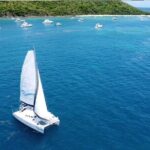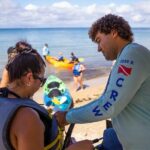
Salt air, then coral and wildlife just below.
This two-tank scuba outing in Fajardo, Puerto Rico is built for certified scuba holders who want a guided, low-stress day on the water. I like that the plan stays shallow and approachable (about 15–80 ft / 6–30 m), and I also like that the operator runs the trip with environmental credentials like a Blue Flag recognition and PADI Green Star efforts. One thing to think about: you’ll still feel the sea some days, and visibility can drop when conditions aren’t ideal, so it helps to be flexible.
In practice, you get a well-run morning with a calm boat setup, friendly PADI-certified staff, and plenty of time exploring the reef. That said, transport isn’t included in the base price, so your total cost can jump if you’re not already near the meeting point in Fajardo.
In This Review
- Key Takeaways Before You Go
- Fajardo’s Reef Atolls: What the 15–80 ft Depth Range Means for You
- Getting Started at Villa Marina: The 7:45am Rhythm and Gear Setup
- How the Crew Chooses Reef Spots Morning-Of
- Tank 1: A Shallow, Wildlife-Focused Underwater Plan
- The Surface Interval: When Boat Comfort Matters
- Tank 2: Why the Second Session Often Feels Better
- Price and Logistics: Where the Value Really Comes From
- Equipment, Air Management, and Group Dynamics
- Weather and Visibility: How to Pick Your Best Day
- Who Should Book This Fajardo Two-Tank Outing
- Should You Book Sea Ventures Pro Center in Fajardo?
- FAQ
- FAQ
- Who can participate in this Fajardo outing?
- What time does the experience start?
- Where does the tour begin and end?
- What depths and conditions should I expect?
- What marine life might I see?
- Is transportation included in the price?
- What scuba gear is included?
- Is there a fee for marine reserves?
- What if weather is bad on the day?
- Is free cancellation available?
Key Takeaways Before You Go
- Two tanks, mostly shallow reef spots (15–80 ft / 6–30 m) that work well for beginning to intermediate conditions
- PADI-certified crew guiding the experience with an emphasis on safety and comfort
- Marine life focus: rays and turtles are the usual stars; nurse sharks can show up occasionally
- Morning spot selection based on weather and sea conditions, so the day stays realistic
- Value adds up when you factor in gear, snacks, beverages, and the second tank
- Plan for extra costs like the marine reserve fee and optional transportation
Fajardo’s Reef Atolls: What the 15–80 ft Depth Range Means for You
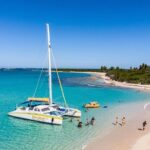
Fajardo sits on Puerto Rico’s northeast coast, where you can access reef habitats that stay in a comfortable range for many certified scuba holders. For this outing, the typical underwater spots are reef atolls with coral formations, plus sandy channels and some shallow ledge-style areas. The operation has around six reef areas to choose from, and the captain selects the best match in the morning based on wind, swell, and visibility.
That matters because your day won’t be rigid. If conditions are choppy, the crew can steer toward calmer options that reduce wasted time and keep the schedule sensible. If conditions are clear, you’ll get better visibility and more time actually looking around instead of adjusting plans.
You should expect visibility that ranges roughly from 20 to 75 ft depending on conditions. That’s a big spread. It’s normal for reef days, but it explains why some people love their day’s wildlife views while others wish for clearer water. If you’re booking for the absolute best water clarity, build in flexibility with dates and don’t assume every morning will look the same.
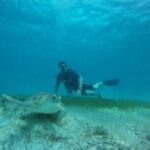
Marine life is the main reason people pick Fajardo. You can generally count on rays and turtles as the more consistent sightings. Nurse sharks show up only occasionally, so if you’re chasing a specific species, treat shark sightings as a bonus, not the plan.
You can also read our reviews of more scuba diving tours in Fajardo
Getting Started at Villa Marina: The 7:45am Rhythm and Gear Setup
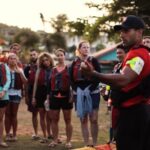
The day starts early. You’ll meet at Villa Marina Shopping Center (987 Cll A, Fajardo, 00738) at 7:45 am, and the activity ends back at the same meeting point.
What I like about a set meeting time like this is that it forces a clean workflow:
- quick check-in
- gear fitting
- briefing
- then out to the boat
Several past guests praised an easy check-in process and a smooth setup. Another recurring theme: the crew keeps the boat from feeling overcrowded, which helps a lot if you’re prone to sea sickness. That alone can turn a stressful ocean moment into a manageable one.
Gear is part of the included package. You’ll get scuba equipment included, and you’ll also have snacks and beverages available during the morning. What’s not included is a personal air/pressure computer (the kind that helps you track timing and depth). If you plan to use one, bring your own or arrange it separately ahead of time.
Also note the health screening. You’ll complete a health questionnaire before participating, and some medical conditions (including things like asthma and heart conditions) may prevent you from joining. The trip also warns against scuba within 18 hours of flying, so if your travel includes short connections, plan your schedule accordingly.
How the Crew Chooses Reef Spots Morning-Of
Instead of locking you into a single location, the operation selects the underwater spot the morning of the session. That decision is driven by weather and sea conditions, which is a smart way to protect the quality of your time in the water.
You’re looking at a reef menu that can include:
- Spurs and grooves coral areas
- sand channels that break up the terrain
- shallow walls/ledges at times
- coral atoll islands and related reef structures
Each type of habitat changes what you’ll see. Spurs and grooves tend to spread out life across smaller structures, which can feel like you’re drifting through a busy neighborhood of coral heads. Sand channels can give you an easy visual path, sometimes making it easier to spot larger animals moving through the area. Ledge-style terrain can offer a different perspective, but it still stays in the shallow range your group is prepared for.
One more practical point: this outing can share a boat with other people doing different skill-level activities (certified scuba holders, discover-style experiences, and snorkelers). The crew can place each person at different depths to match training and comfort. Translation: you’re not necessarily surrounded by only your exact experience level, but you also aren’t expected to do the same thing as everyone else underwater.
Tank 1: A Shallow, Wildlife-Focused Underwater Plan
Your first tank is about getting your bearings. With a range that runs from about 15 to 80 ft, the emphasis is on reef exploration rather than extreme depth goals. If you’re coming back after a break, this is one of the reasons the outing gets recommended by so many people: the structure suits beginning-to-intermediate underwater comfort.
Expect a guided experience with a PADI-certified team. Guides handle the pre-water briefing, the route logic, and the safety flow. In well-run days, you spend less time worrying about the logistics and more time scanning the reef for movement.
Wildlife-wise, the most dependable sightings are usually:
- turtles
- rays
Sometimes you’ll also see other reef residents like crabs and lobsters (especially around coral areas and structure). Coral formations are a big part of the appeal too. The reef doesn’t just look pretty; it creates the “platform” that wildlife uses for feeding and shelter.
Visibility is the wild card. If the morning is clear, everything looks sharper. If it’s hazier, you may still enjoy life and coral, but details can be softer and animals can be harder to spot quickly. Either way, your guide can help you focus on where life tends to appear in that specific spot.
The Surface Interval: When Boat Comfort Matters
Between tank sessions, you’ll come up, reset, and head back down for round two. This is where boat comfort pays off.
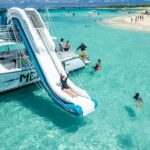
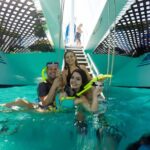
Some guests specifically called out that the boat felt not packed, which makes a difference for anyone who gets motion-sick. You can still feel swells in Puerto Rico, and nothing is fully controllable—but fewer people crowded close together can help you stay comfortable while idling.
This also affects how calmly you’re able to recheck your gear and listen for the second briefing. If you’re traveling with someone nervous about the ocean, the “more space on board” setup tends to lower anxiety fast.

Tank 2: Why the Second Session Often Feels Better
The second tank is where many people feel the day really clicks. You’ve already handled the entry rhythm, adjusted to your buoyancy, and learned where your guide wants you to focus. With two sessions, the outing gives you extra time to search for wildlife in different corners of the chosen reef spot.
From a wildlife perspective, the “great day” version usually has more turtle and ray sightings because you’re more relaxed and better positioned to notice animals moving along structure. If nurse sharks appear, it’s often not something you plan for; it’s more like, suddenly, there’s a bigger shadow gliding past and everyone slows down.
Also, keep in mind that reef days can vary. One pair may see more coral detail and more animals in one session, while another pair may get a different pattern depending on currents and where the captain anchored. That’s why the morning spot selection matters again. It’s designed to keep the day within the operator’s realistic comfort zone.
Price and Logistics: Where the Value Really Comes From
The base price is $178.40 per person, and the outing runs about 5 hours 30 minutes. That price covers a lot of the stuff that makes scuba days expensive when you piece them together yourself: snacks, beverages, scuba equipment, and a PADI-certified guided experience.
The “gotcha” is transportation. Round-trip transportation is optional and costs extra. The tour includes a meeting point in Fajardo, so if you’re staying elsewhere (like San Juan), you’ll need to pay for pickup or make your own way to the meeting location.
This doesn’t make the outing bad value. It just means you should think of the listed price as the cost of the underwater experience, not the cost of getting you from any hotel to the boat. If you’re budgeting, build transportation into your plan from the start so you don’t get surprised on the day.
There are also two other costs to keep in mind:
- Marine reserve fee: $3.00 per person
- Your own air/pressure computer isn’t included
And if you’re wondering about wetsuits: warm water can mean you may not need one for comfort, but the experience data says equipment is included while a wetsuit specifically wasn’t part of at least one guest’s gear package. If you run cold, ask ahead so you don’t end up improvising.
Equipment, Air Management, and Group Dynamics
One of the best clues about quality is how the crew handles different comfort levels in a shared setting. This outing can include groups at different depths. That takes good guidance and clear rules.
Past guests described the staff as attentive and helpful, including getting people set up efficiently and guiding them through the underwater plan. Names that came up with praise include Victor (as a guide), Jonathan (attentive and patient), Samuel (exceptional care), plus crew members like Jose and a captain known as Jay. Those names are a good sign that the operator can deliver consistent, friendly leadership.
Still, it’s worth knowing what can affect your experience beyond the crew. One issue that shows up in real-world reef trips: experienced photographers sometimes want to linger and stop often. If that’s your style, it can be great. If you’re newer and want more structure, ask your guide how they handle pacing for the whole group. The goal is to keep everyone safe and in sync on air management and turn times.
Also watch your own comfort level. This outing is meant for certified scuba holders and requires proof of certification. You’ll also want a moderate physical fitness level. If you’re dealing with medical limitations, don’t guess; follow the health screening and talk to your doctor as advised.
Weather and Visibility: How to Pick Your Best Day
This experience depends on good weather. If conditions aren’t right, you’ll either be offered another date or get a full refund. That flexibility helps because reef conditions aren’t predictable.
For visibility, I’d treat winter-like weather as a higher-risk period for lower clarity. Some guests experienced noticeably reduced visibility and felt the underwater experience wasn’t as strong as they hoped. That doesn’t mean the trip is unreliable; it means you should calibrate expectations. Coral still exists and wildlife still appears, but clarity and “wow factor” can be less consistent.
If your schedule allows it, aim for days with calmer seas and better weather forecasts. And when the day starts, listen to the captain’s plan. They’re selecting the spot based on real conditions, not guesswork.
Who Should Book This Fajardo Two-Tank Outing
You’ll probably love this trip if you:
- are certified scuba holder status and want a structured two-session reef experience
- prefer shallow underwater conditions rather than deep technical goals
- want a guided day with a PADI-certified team and a boat setup that feels comfortable
- care more about turtles, rays, coral, and reef life than chasing one specific rare animal
You might want to think twice if:
- you need transportation included in the price and you’re far from Fajardo
- you get motion sick easily and haven’t used strategies like seating near the center or using appropriate prevention
- you’re booking for maximum visibility every time, regardless of weather
Should You Book Sea Ventures Pro Center in Fajardo?
If you’re certified and want a straightforward, guided two-session reef day close to shore, I think this is a solid booking. The combination of PADI-certified staff, shallow reef options (15–80 ft), wildlife focus (especially turtles and rays), and the “not packed” boat setup is exactly what many people want from Puerto Rico’s underwater scene.
My main reason to say book it with planning: transportation and small add-ons can change your total cost. If you’ll already be in Fajardo or can get reliable pickup, the base price feels fair for what’s included. If you’re staying far away, do the math early so the trip stays a win.
FAQ
FAQ
Who can participate in this Fajardo outing?
It’s for certified scuba holders only. You’ll need to show proof of scuba certification to join.
What time does the experience start?
It starts at 7:45 am at the meeting point in Fajardo.
Where does the tour begin and end?
It begins at Villa Marina Shopping Center at 987 Cll A, Fajardo, 00738, Puerto Rico, and ends back at the same meeting point.
What depths and conditions should I expect?
The reef spots are mostly in the 15 to 80 ft (6 to 30 m) range. Visibility can vary and is generally described as about 20 to 75 ft, depending on conditions.
What marine life might I see?
You may see turtles and rays often, and nurse sharks occasionally. Coral formations and other reef life like crabs and lobsters can also appear.
Is transportation included in the price?
Transportation cost is not included. Pickup is available for an additional cost.
What scuba gear is included?
Scuba equipment is included. A dive air/pressure computer is not included.
Is there a fee for marine reserves?
Yes. There is a marine reserve fee of $3.00 per person.
What if weather is bad on the day?
This experience requires good weather. If it’s canceled due to poor weather, you’ll be offered a different date or a full refund.
Is free cancellation available?
Yes. You can cancel up to 24 hours in advance for a full refund. If you cancel less than 24 hours before the start time, the amount paid is not refunded.