REVIEW · SAN JUAN
Explore Indigenous Roots, Experience a day in the life of a Taíno
Book on Viator →Operated by Tranki Tours · Bookable on Viator
History you can walk through, not just read. This Taíno-focused day with Tranki Tours is built for people who want Puerto Rico beyond the usual stops, starting with the Parque Ceremonial Indígena de Caguana, the Caribbean’s largest ceremonial ground. You’ll see real artifacts inside the museum and then head to cooler mountain country for a river break at Charco Los Morones, where petroglyphs sit in the same setting you’ll be swimming and sunbathing.
What I like most is the mix of sacred space and simple nature time, with a guide named Tristan who’s patient, answers questions, and connects plants, people, and place in plain language. The day also leans hard into the jíbaro side of Puerto Rico, ending with an “off the grid” permaculture farm experience that feels lived-in, not staged.
One thing to consider: the farm-to-table meal depends on a 4-person minimum. If your group is smaller, you’ll still get the farm stop, but the day’s lunch won’t be the farm meal.
In This Review
- Key things that make this day work
- How an 8-hour Taíno day feels different from city tours
- Parque Ceremonial Indígena de Caguana: the Caribbean’s largest ceremonial ground
- Charco Los Morones: river swimming with petroglyph context
- Utuado’s off-the-grid permaculture farm and the real meaning of sustainability
- Price and value: what $175 buys you in a real half-day of real places
- Who this tour suits best (and who might want something else)
- What to bring so the day feels easy
- Quick compare: what makes this experience feel authentic
- Should you book Tranki Tours for a Taíno day in the life?
- FAQ
- What time does the tour start?
- Where is the meeting point?
- How long is the experience?
- What is the price per person?
- Is pickup offered?
- What’s the maximum group size?
- What stops are included during the day?
- Is there an included meal at the farm?
- Does the tour require specific weather conditions?
- Are service animals allowed?
Key things that make this day work
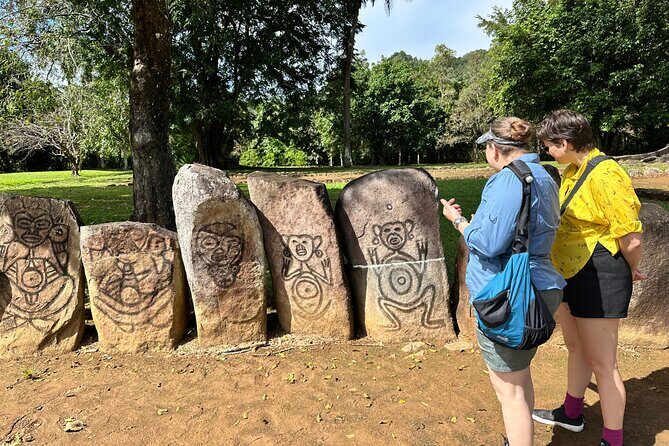
- Caguana ceremonial grounds: museum time plus access to the Caribbean’s biggest Taíno ceremonial site
- Charco Los Morones: a calmer, off-the-radar river spot where you may swim near petroglyphs
- Utuado permaculture farm: practical sustainability talk in a working, off-grid setting
- Tristan’s guiding style: patient explanations that connect history to daily life
- Farm meal rules: farm stop stays the same; meal may change if the group is under 4
How an 8-hour Taíno day feels different from city tours

This trip starts in San Juan at 8:00 am at 114 Avenida José de Diego, San Juan, 00907. Pickup is offered, and you’ll travel out into the Cordillera Central, where the air cools off fast and the road noise drops. With a maximum of 14 travelers, it still feels human-sized. No cattle-car vibes, no long waits.
You’re also getting a structure that keeps the day from turning into a checklist. First, you build context at Caguana. Then you shift to body-and-balance time at the river. Finally, you end with a sustainability-focused farm that shows you what “living from the land” can look like in modern Puerto Rico.
The best part is the pacing: about 1.5 hours at Caguana, 2 hours at the river, then about 1.5 hours at Utuado. That’s enough time to pay attention without feeling rushed or stuck in one place all day.
You can also read our reviews of more tours and experiences in San Juan.

Parque Ceremonial Indígena de Caguana: the Caribbean’s largest ceremonial ground
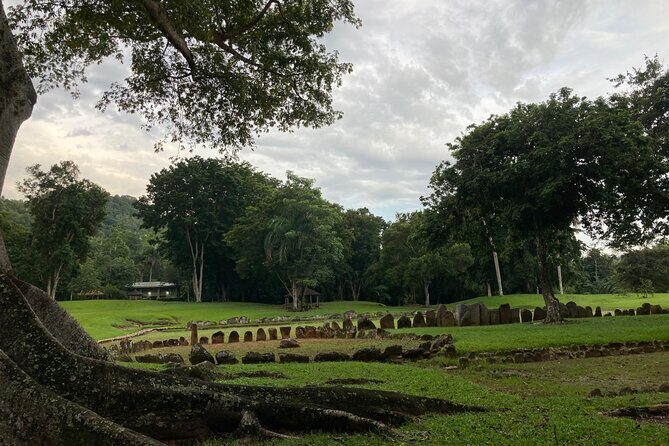
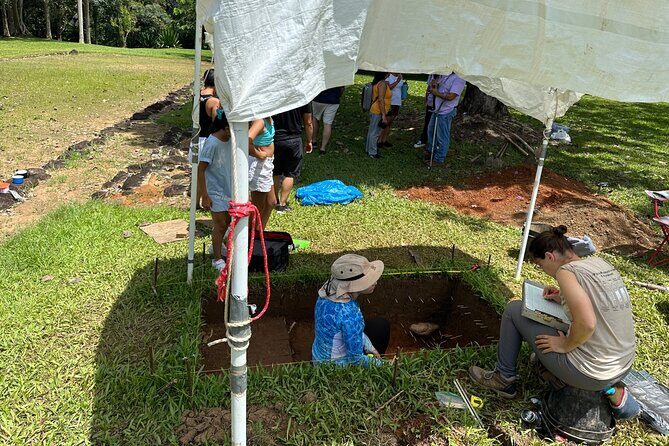
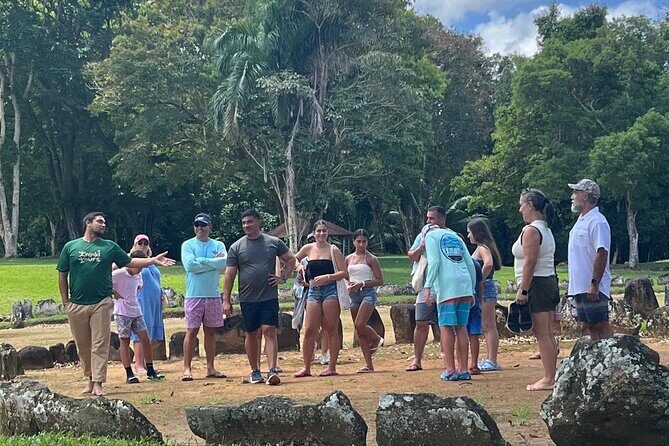
Your day’s foundation is Parque Ceremonial Indígena de Caguana, widely treated as the major Taíno ceremonial site of the Caribbean. You’ll get about 1 hour 30 minutes here, with admission included.
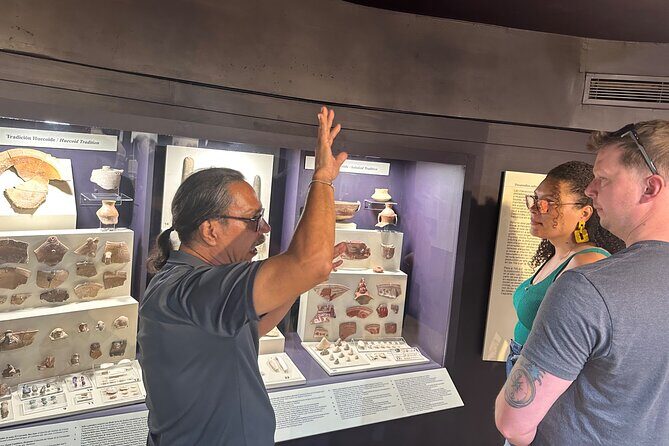
Inside, the museum matters because it turns “Taíno history” from a vague label into objects you can picture in daily life. You’ll see artifacts connected to Taíno living—tools and everyday materials that help you understand the difference between ceremonial space and routine survival. This is one of those stops where a good guide really changes your experience. Tristan’s style is about answering questions and explaining how plants, culture, and land connect.
What I’d do during your time there:
- Spend extra time in the museum areas first, so the outdoor ceremonial grounds make sense as you walk.
- Ask your guide specific questions, especially about how ceremonial places fit into community life.
- Don’t rush the route. Some of the power is in seeing the space slowly, not sprinting through.
A small drawback to know: this is not a “quick photo stop.” If you like structure and time to look closely, great. If you need constant action, plan for a more thoughtful start.
Charco Los Morones: river swimming with petroglyph context
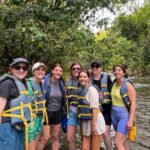
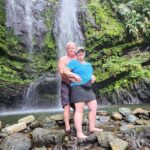
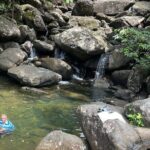
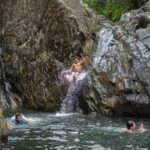
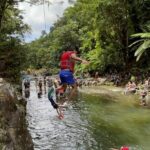
After the ceremonial grounds, the day shifts into mountain relief with Charco Los Morones. This is your off-the-beaten-path river moment—one of those places where the surrounding Utuado mountains feel like they’re holding the sound down. You’ll have about 2 hours here, and admission is free.
This stop has two big attractions:
- You may swim and sunbathe in a calmer river setting.
- The area includes petroglyphs left by Indigenous ancestors.
That combination is powerful because it doesn’t separate “history” from “where people actually were.” You’re not just seeing rock art behind glass; you’re in the same general environment where older generations marked meaning on stone. A guide like Tristan helps you avoid the trap of treating petroglyphs as random carvings. You get the sense of them as messages meant to be understood in context.
Practical notes so this part stays fun:
- Bring swimwear and something you can keep track of easily (you’ll want a simple system).
- Pack for sun. Even if the mountains cool things down, river time still means exposure.
- If you’re not a confident swimmer, you can still enjoy the scenery without going all in.
This is also the stop where weather matters most. The experience requires good weather, so if conditions are rough, you may be rescheduled.
Utuado’s off-the-grid permaculture farm and the real meaning of sustainability
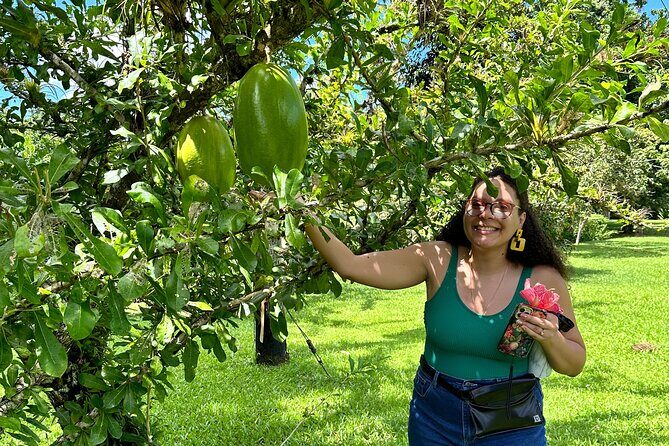
Utuado is where the day starts to feel grounded. You end at a sustainable permaculture farm and get about 1 hour 30 minutes there, including a tour and discussion about living off the grid.
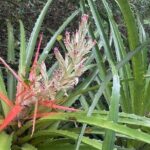
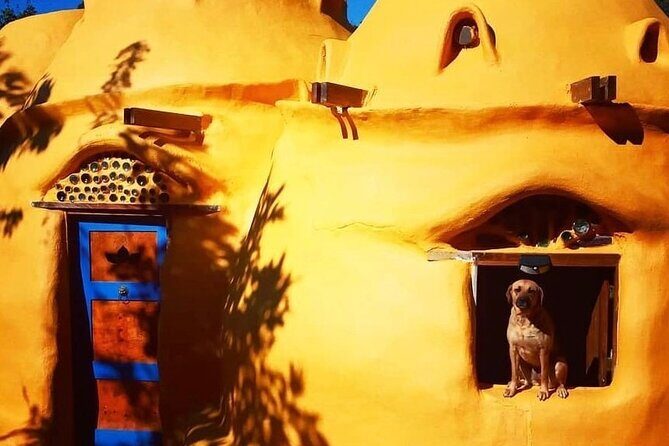
This is not just a talk. You’ll be walking the grounds and learning how the farm works as a system. Based on the kinds of details you’ll hear from Tristan, you might see manually built homes made with environmentally sustainable materials. One described example is a round house in the woods with a design that looks like it belongs to the land, not on top of it. You may also notice water-related design ideas, such as plants on the roof that help with managing water flow (the farm context is what makes that detail meaningful).
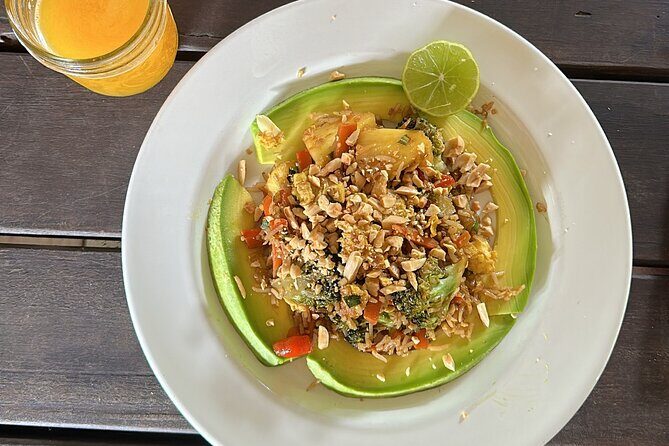
Then comes the meal situation. The experience is built around a farm-to-table meal, but there’s a catch: it’s tied to a 4-person minimum. If your group is smaller than that, the farm stop is still included, but you’ll eat lunch elsewhere instead of the farm meal.
What that means for you:
- If you’re traveling as a small group of two or three, ask how lunch will work in your case before you go.
- If you’re traveling with friends or family and you can hit that 4-person minimum, you’re more likely to get the full farm meal experience as designed.
Either way, this is a great ending because it connects the day’s Taíno learning to a broader Puerto Rico theme: making a life from what the land offers.
Price and value: what $175 buys you in a real half-day of real places
At $175 per person for about 8 hours, this is not a budget bus tour. But it also isn’t a one-stop, short-and-fast experience. You’re paying for transportation out of San Juan, time at major cultural space, and access to a working farm that many people never find on their own.
Here’s where the value shows up:
- Admission at Caguana is included, so you’re not juggling ticket costs mid-day.
- Charco Los Morones is free, so that second stop doesn’t add fees.
- Your day ends with an education component—sustainability discussion—plus the possibility of farm-to-table lunch if your group meets the minimum.
Also, your group size stays small (max 14), which usually means you spend more time asking questions and less time waiting for people who got lost in line at some other attraction. One recurring theme from the experience style is that Tristan’s guiding approach is built around conversation and clarity, not just reciting facts.

Who this tour suits best (and who might want something else)
This is a strong fit if you want Puerto Rico that feels:
- Less touristy and more rural
- Hands-on (museum objects, rock art area, river time)
- Balanced between learning and relaxing
It also works well for people who enjoy light outdoor time, especially if you like the idea of swimming in a river setting and walking around ceremonial grounds.
This may be less ideal if you need an entirely low-pace day with no swimming option and no outdoor walking. It’s still manageable for most travelers, but it’s designed as an active cultural day, not a sitting-only visit.
If you care about Indigenous heritage and want a guide who can connect Taíno history to land and living, this type of day is exactly the point.
What to bring so the day feels easy
You can make the day smoother with a few basics. The tour involves a ceremonial site, a river, and a farm setting, so think “change of gear” even if you’re not packing like a backpacker.
I’d plan on:
- A swimsuit and quick-dry towel (for the river time where swimming is possible)
- Water-friendly footwear or shoes you trust near river areas
- Sunscreen and sunglasses (mountain sun can still bite)
- A small day bag or zip pouch for keys/phone/wallet
- Light layers for the ride and the cooler mountain air
One more practical tip: since the farm meal depends on group size, keep a note in your phone to ask about what lunch plan applies to your booking.
Quick compare: what makes this experience feel authentic
Many Puerto Rico tours “sell” culture with one quick photo stop. This one uses a different recipe.
You start with Caguana, where the museum and ceremonial setting help you understand significance. Then you go to Charco Los Morones, where the petroglyph context sits right in the natural setting you’re enjoying. Finally, you end in Utuado at a permaculture farm, where sustainability isn’t a slogan—it’s how the place operates.
And the guide name you’ll likely hear a lot is Tristan. People consistently describe him as patient and upbeat, with an ability to answer questions and explain how plants and the land fit into the story.
It adds up to a day that feels less like a performance and more like a real route through Puerto Rico’s inland life.
Should you book Tranki Tours for a Taíno day in the life?
I’d book this if you want a day that mixes Taíno heritage with real mountain nature and an ending that shows sustainability beyond theory. The small group size, the clear timing, and the fact that Caguana admission is included make it easier to commit.
I’d think twice if you’re a two-person or three-person group and you’re specifically set on the farm-to-table meal. You’ll still get the farm stop, but the lunch portion may change if the group doesn’t meet the minimum.
Bottom line: this is a strong choice for people who like their travel days to feel purposeful, not repetitive. If you’re hungry for Puerto Rico that you can’t easily piece together on your own, this format does the heavy lifting.
FAQ
What time does the tour start?
The tour starts at 8:00 am in San Juan.
Where is the meeting point?
The meeting point is 114 Avenida José de Diego, San Juan, 00907, Puerto Rico.
How long is the experience?
The tour lasts about 8 hours.
What is the price per person?
The price is $175.00 per person.
Is pickup offered?
Yes, pickup is offered.
What’s the maximum group size?
The experience has a maximum of 14 travelers.
What stops are included during the day?
You’ll visit Parque Ceremonial Indígena de Caguana, Charco Los Morones, and end at a sustainable permaculture farm in Utuado.
Is there an included meal at the farm?
A farm-to-table meal is provided, but it’s stated that it requires a 4-person minimum. If your group is less than 4, the farm stop is included, but you will eat lunch elsewhere.
Does the tour require specific weather conditions?
Yes. The experience requires good weather. If it’s canceled due to poor weather, you’ll be offered a different date or a full refund.
Are service animals allowed?
Yes, service animals are allowed.