REVIEW · SAN JUAN
Bio Bay Night Kayaking with Transport from San Juan Area
Book on Viator →Operated by Puerto Rico Access Eco Tours · Bookable on Viator
Paddle into Laguna Grande after dark. I love the guided route through mangroves so you’re not steering in total blackness, and I love the round-trip transport from the San Juan area that keeps the logistics easy. The only real consideration: bioluminescence depends on natural conditions like darkness and water activity, so the glow can be subtler than the brightest photos suggest.
I also like that this isn’t a one-size-fits-all paddle. Peniel Access Eco Tours runs an Adaptive Paddling Program, including better, comfier seating and even towing if you need it, which makes the whole outing feel more supportive. Names that show up again and again include Joe and Emily as guides, plus AJ (with others like Jaime and Nichie mentioned in some groups).
Plan on moderate fitness and a real swim requirement. You’ll be on the water at night (so yes, it gets dark), you should expect to get soaked, and mosquito repellent isn’t included.
In This Review
- Key things to know before you go
- Bioluminescent plankton: why your paddle matters
- San Juan pickup and the ride that saves your energy
- The 4:00 pm timeline: how the evening is paced
- Stop 1 at Laguna Grande: mangroves first, bioluminescence second
- The tarp and the moon: getting the glow you came for
- Guides, safety, and why towing exists
- Return paddle: current, fatigue, and comfort choices that matter
- What to pack for a biobay night in Puerto Rico
- Value check: is $125 worth it?
- Should you book this Bio Bay kayaking tour?
- FAQ
- What time does the Bio Bay night kayaking tour start?
- How long is the kayaking experience?
- Is round-trip transportation from the San Juan area included?
- What equipment is included?
- Do I need to be able to swim?
- Is bug spray included?
- Can I cancel and get a full refund?
- Are there any limits on who can participate?
Key things to know before you go
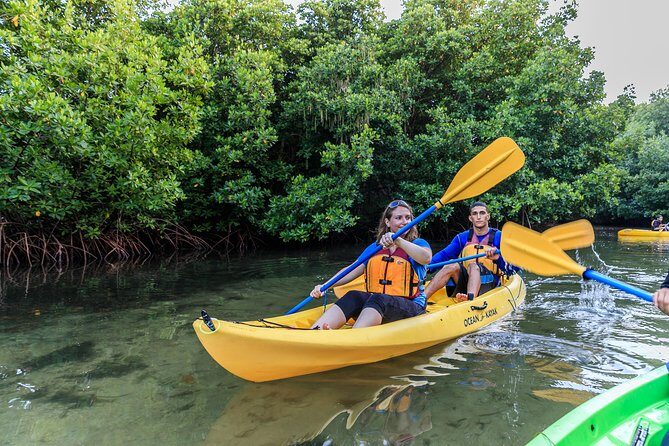
Laguna Grande is the whole show—you’re paddling to the Laguna Grande mangrove reserve for the bioluminescence moment.
You must be able to swim—it’s a stated rule, not a suggestion.
Expect a work-out on the way back—the return can be against current and can feel demanding.
Moon phase matters—full moon nights tend to reduce the glow, and tarps may be used to improve visibility.
Small-group limit (max 12)—that helps, even if multiple tour boats can still be present in the same lagoon area.
Bring bug spray—mosquitoes can be intense around the launch areas.
Bioluminescent plankton: why your paddle matters
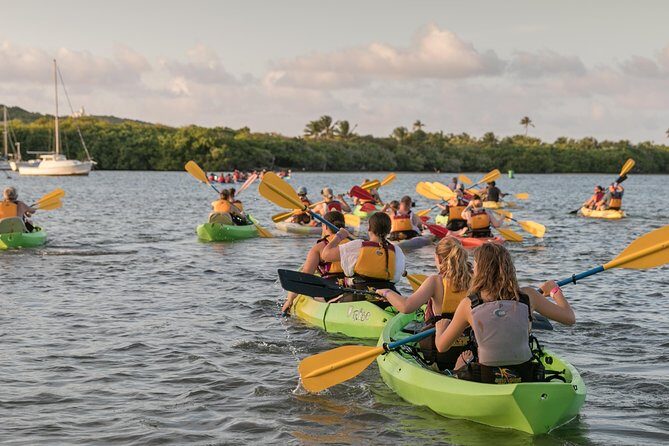
This tour’s magic comes from plankton, not from some dim underwater nightclub. In Laguna Grande, the bioluminescence shows up when the water gets disturbed—usually by your paddle, splashes, and hand motions. That means you’re not just watching. You’re participating, and the best moments often happen when you’re moving through the water in sync with the guide’s cues.
The mangroves add a second layer of wonder. At night, the channel feels alive with natural sound—plus you’re surrounded by dark water and silhouettes of mangrove roots. If you like “quiet thrill” travel, this is that. The glow becomes a special payoff for the work you’re doing on the kayak.
One important expectation check: the brightness can vary. A full moon, lighter water conditions, or when the organisms don’t react as strongly can make the glow seem faint or brief. The tour can still be beautiful (stars, darkness, mangrove sounds), but the bioluminescence isn’t guaranteed to look like the most dramatic internet images.
You can also read our reviews of more evening experiences in San Juan

San Juan pickup and the ride that saves your energy
You’re paying a premium for a reason: round-trip transportation from the San Juan area is included, and it’s one of the most practical parts of the deal. Starting at 4:00 pm, you’ll be loading up in daylight, then heading toward the biobay while the sky transitions toward night. That keeps you from scrambling for rental cars or trying to find a remote launch site after dark.
One more practical point: communication seems to matter. The company notes that pickup details require calling to confirm. The reasoning is simple—people sometimes provide incorrect phone numbers, which can break the pickup plan. So do this: when you book, make sure you have the right phone contact ready, and confirm pickup details as instructed on your ticket.
In plain terms: transportation is a big part of the value. If you’re the type who hates waiting around, confirming pickup ahead of time will make your whole evening smoother.
The 4:00 pm timeline: how the evening is paced
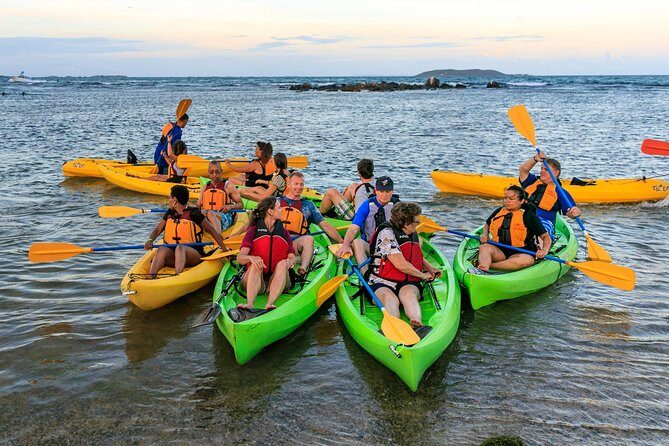
This runs about 5 hours total, starting at 4:00 pm. That timing is smart. It gives you time for gear setup and practice strokes before it gets fully dark. It also builds in the natural rhythm you need: you’ll typically paddle out through mangroves while sunset fades, then focus on the bioluminescence window once darkness is established.
Expect some time on land too. You’ll suit up with life-jackets and get your kayak and equipment organized. If you’re coming with a backpack, some launch areas have options to store items with dry clothes (one group specifically called this out as a comfort feature). If you get cold easily, bring a plan—night air can feel cooler than you expect after the sun goes down.
Also, if you’re easy to startle, remind yourself that it’s night kayaking. Even when everything’s well-managed, low visibility changes how your brain reads distance. The guide helps with that.
Stop 1 at Laguna Grande: mangroves first, bioluminescence second
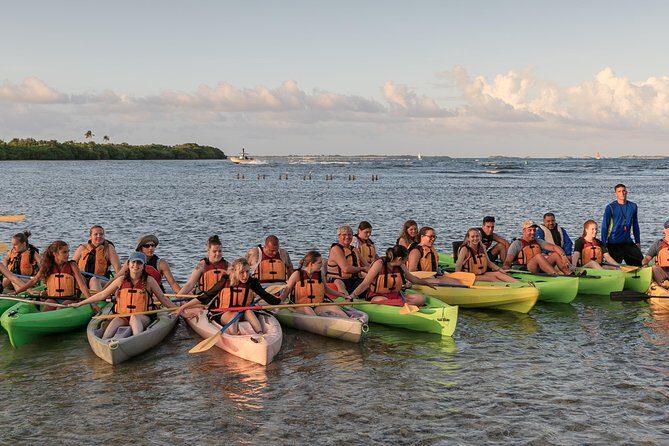
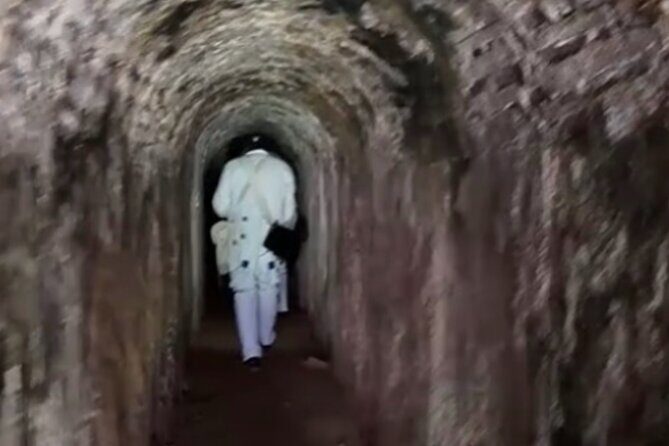
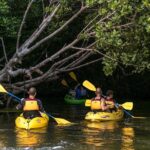
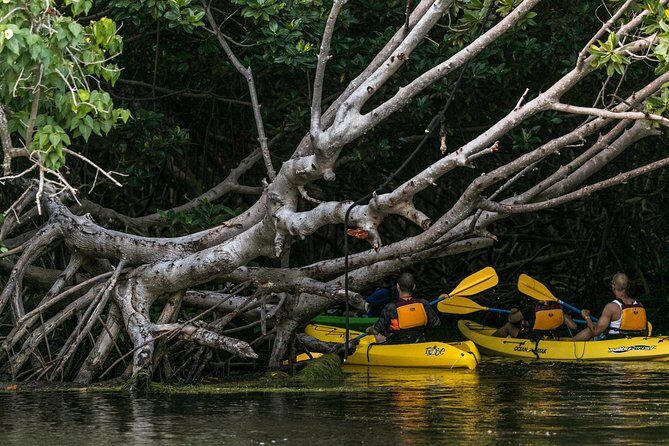
The key outdoor anchor here is Laguna Grande, where you paddle through the mangrove forest on your way to the bioluminescent bay area. Mangroves are more than scenery—they’re a living system that changes the feeling of the water. Narrow channels, root shadows, and dark silhouettes can make you feel like you’re gliding inside a natural tunnel.
This is also where the tour’s “guided” promise becomes real. Guides lead the way so you’re not trying to navigate in darkness. And if you’re new to kayaking—or you’re physically limited—Peniel Access Eco Tours builds flexibility into the plan through Adaptive Paddling. That can mean extra seat support and, in some cases, towing.
One downside to plan for: the outing can involve more than one phase of waiting or regrouping, especially when there are multiple boats or when conditions create a traffic jam. If you’re the kind of person who needs a tightly structured itinerary every minute, you might find this part a little less cinematic and more “process-driven.”
Still, the payoff tends to come from the calm moments—mangrove sounds, star-filled sky, and that first hint of glow when the water gets agitated.
The tarp and the moon: getting the glow you came for
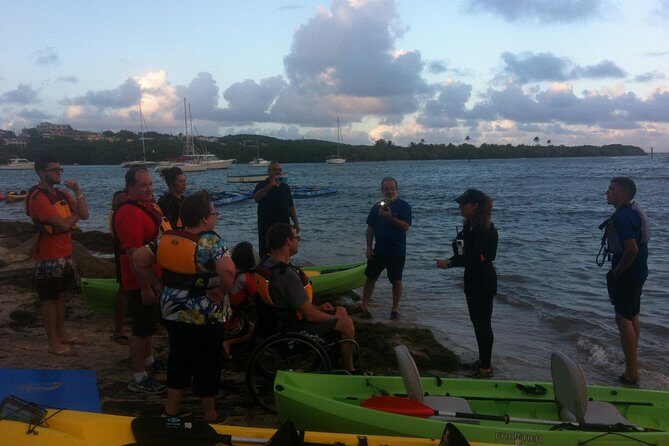
The bioluminescence experience is tied to darkness, and brightness is tied to the moon. That’s why the tour often uses tarps. Tarps can help block moonlight so you can see more of the sparkle in the water.
Here’s the honest expectation: on brighter moon nights, the glow may be subtle even with tarps. And sometimes the bioluminescence window can feel short, because the tour has to keep the group moving, managing safety, and handling equipment and routes.
Some people also note that multiple tour boats can cluster in the lagoon area. That can mean less personal space and more splashing and noise around you. You can’t fully control it, but you can control your stance. If you want the cleanest view of glow, bring patience and stay focused on what your own kayak is doing. Small movements—paddle strokes, gentle splashes, quick hand dips—can bring the light alive.
A nice surprise mentioned by at least one group: the chance to encounter sea life like a jellyfish during the experience. That sort of moment is exactly why a guided night tour can feel more meaningful than doing this independently.
A few more San Juan tours and experiences worth a look
Guides, safety, and why towing exists
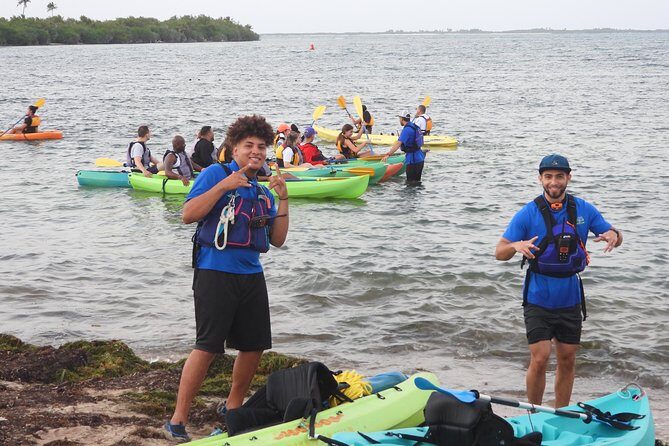
When people talk about this tour positively, they usually come back to one theme: feeling safe while learning something new. Guides such as Joe and Emily show up in multiple accounts, and AJ is specifically mentioned for patience when someone needed extra help.
Safety here is practical. At night you can’t see the same depth cues you rely on in daytime. That’s why good guiding matters—and why the tour builds in towing and assist options. One group described being helped quickly after hitting trees early on, and another described being towed along the route to make paddling manageable.
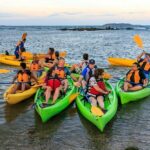
Group dynamics can also affect the vibe. The tour caps the group at 12 people, which should keep things manageable. But if you’re in a night with larger external groups operating around you, the lagoon area can still feel busy. When the water and attention are shared among many paddlers, focus gets harder. The guide’s job is to keep routes safe and groups together, and you’ll feel it most on the return paddle.
Return paddle: current, fatigue, and comfort choices that matter
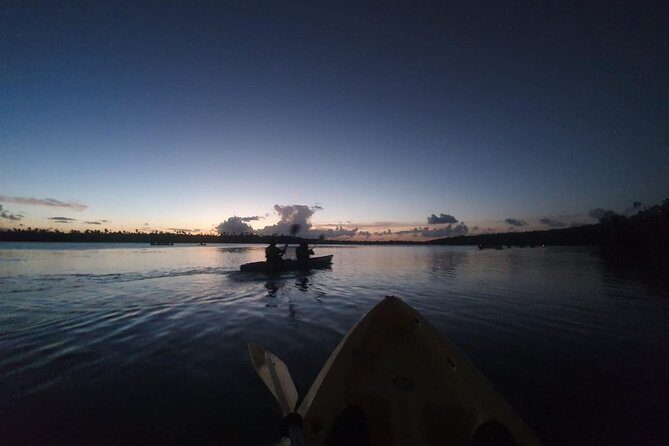
The biggest physical reality check is the return. Reviews and tour feedback point out that the kayak trip back can be demanding because it may be against the current. In other words: the first half can feel like it’s easing you in, while the second half can feel like you’re earning your glow memories.
If you’re not a strong swimmer, don’t try to “gut it out.” The tour requires you to be able to swim, and if you’re unsure about endurance, ask for the Adaptive Paddling options ahead of time. Towing isn’t only for emergencies—it’s also part of how the tour helps people actually finish the experience.
Comfort gear matters too. One recurring complaint is that some backrests can feel uncomfortable. If your lower back is sensitive, consider wearing a rash guard or something that cushions against the kayak seat, and keep your posture steady. Also remember: you’ll likely get soaked, so dress for wet, not for looking good.
What to pack for a biobay night in Puerto Rico
This is a small list, but it’s worth getting right.
Bring:
- Bug spray (mosquito repellent is not provided)
- Swimsuit or quick-dry outfit
- A layer you don’t mind getting wet
- Something to secure personal items (the tour may have storage for backpacks, but plan like you’ll still get splashed)
- A towel you’re okay with using after
Wear:
- You’ll get a life-jacket and you’ll be in a kayak at night—so choose clothing that doesn’t bind when wet.
- Expect cold water exposure more than you expect in the Caribbean. Night air changes how wet fabric feels.
One additional practical note: some people mention restroom logistics at the landing area, including limited stalls and long lines. That’s not something you can fix, but arriving ready—earlier than you think you need—helps you stay relaxed during the waiting parts.
Value check: is $125 worth it?
At $125 per person, this isn’t a bargain-mission. It’s closer to a premium nature experience, and the value comes from the bundle: guided night kayaking, equipment included, and round-trip transport from the San Juan area.
If you want to do this in a DIY way, you’d have to pay for logistics (transport, gear, and guidance) and you’d still face the same uncertainty: bioluminescence is natural, so it can be less dramatic on some nights.
So when does the price feel justified?
- You want a guided experience in the dark rather than navigating yourself.
- You appreciate a small-group cap (max 12) and assist options like towing/adaptive seating.
- You like the whole night package: mangroves, stars, and glow driven by movement.
When might it feel overpriced?
- If the moon is bright and the glow is faint.
- If the bioluminescent activity is lower than expected due to weather or water conditions.
- If you get stuck with a crowded, chaotic grouping around you, or you spend extra time waiting for timing to sort out.
Bottom line: treat it as a guided nature experience where the glow is the main prize, but not the only reason to go.
Should you book this Bio Bay kayaking tour?
I’d book it if you want a guided night kayak through mangroves with transport handled, and you’re okay with the fact that nature runs the show. I’d especially lean toward it if you’re new to kayaking or want Adaptive Paddling options like improved seating and possible towing.
I’d think twice if your entire trip budget depends on seeing an ultra-bright glow. Bright moon nights, subtle bioluminescence conditions, or lower-activity water can make the sparkles less intense than you hope. Also take the rules seriously: the tour requires you to be able to swim, pregnant women aren’t allowed, and the physical demands of the return matter.
If you go in with the right mindset—patience for darkness, respect for the water, and the expectation that the glow is a living response rather than a guaranteed light show—you’ll likely have a memorable Puerto Rico evening.
FAQ
What time does the Bio Bay night kayaking tour start?
The start time is listed as 4:00 pm.
How long is the kayaking experience?
The duration is approximately 5 hours.
Is round-trip transportation from the San Juan area included?
Yes. Round-trip transportation is included.
What equipment is included?
Kayaks, life-jackets, and the rest of the kayaking equipment are included.
Do I need to be able to swim?
Yes. To join the tour, you must be able to swim.
Is bug spray included?
No. Mosquito repellent is not provided.
Can I cancel and get a full refund?
You can cancel up to 24 hours in advance for a full refund. If you cancel less than 24 hours before the experience’s start time, it won’t be refunded.
Are there any limits on who can participate?
Pregnant women are not allowed to participate, and there is a weight limit listed as 240 lbs per person (with equipment notes also mentioning a max weight of 250 lbs).