REVIEW · SAN JUAN
Caribbean Food Experience
Book on Viator →Operated by Try Cooking San Juan · Bookable on Viator
Food tastes better when you learn it. In Piñones near San Juan, this small-group cooking and tasting experience turns Puerto Rican classics into something you can actually make at home, with hands-on cooking and generous sampling guided by local chef Mauro. You’ll work with island staples like plantains, sofrito, and adobo, and you’ll get time to relax with drinks like piña coladas (Piñones and piña coladas are a big deal here).
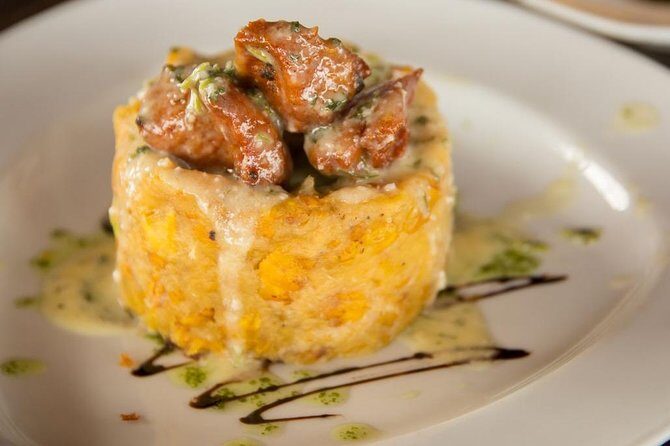
What I like most is the combination of easy, beginner-friendly instructions and real cooking momentum: you’re not just watching. A second standout is how much you eat—there’s a focus on freshly made dishes like sofrito with chicken in mofongo cups, tostones baskets, quesitos, and sweet treats such as guava pastry. One drawback to consider: this runs on good weather, so if conditions are rough, you’ll need flexibility.
In This Review
- Key Highlights Before You Go
- Piñones for Puerto Rican Food: Location That Changes the Feel
- Two Hours of Cooking and Tasting: What Your Time Looks Like
- Chef Mauro and the Hands-On Teaching Style
- The Menu: What You’ll Cook and Eat (and Why It Matters)
- Piña Coladas: Not Just a Drink, a Flavor Lesson
- Sofrito: The Flavor Backbone
- Tostones Baskets: Plantains with Crunch and Structure
- Quesitos: The Sweet-Hand Pie Moment
- Mofongo Cups and Chicken Pairings
- Savory + Sweet Means You Actually Get a Meal
- Cultural Context Without the Lecture
- Price and Value: Is $89 Worth It?
- Meeting Point in Piñones: How to Arrive Smoothly
- Weather, Comfort, and What to Bring
- Should You Book This Caribbean Food Experience?
- FAQ
- How long is the Caribbean Food Experience in San Juan?
- How much does it cost?
- Where does the tour start and where does it end?
- Is it a small-group tour?
- What should I expect to cook and taste?
- Do I need to print anything?
- When will I get confirmation?
- Is there a cancellation policy if weather is bad?
- What is the cancellation window?
- Are service animals allowed?
Key Highlights Before You Go
- Small group size (max 12) keeps it chatty and hands-on, not crowded.
- Chef-led cooking centers island staples like plantains, sofrito, and adobo.
- You’ll make both savory and sweet items, including piña coladas and quesitos.
- Generous tastings mean you’re eating the meal, not just snacking.
- Beginner-friendly approach makes it work even if you’re new to Puerto Rican cooking.
Piñones for Puerto Rican Food: Location That Changes the Feel
If you’ve only toured around Old San Juan, you may be surprised by the mood of Piñones. This area feels more local and coastal, with an everyday rhythm that makes the food lesson feel grounded, not performative. Instead of racing between lookouts, you’re spending your time where people live and eat.
This matters because Puerto Rican cooking is about ingredients and technique, not just recipes on a card. When you’re in Piñones, you’re close to the spirit of the flavors—things like sofrito, adobo, and plantains—and the lesson stays practical. You’re also less likely to feel like you’re stuck in a themed production.
You can also read our reviews of more food & drink experiences in San Juan



Two Hours of Cooking and Tasting: What Your Time Looks Like
This is a compact about 2-hour experience, which is a sweet spot for a food tour. Long enough to learn a few key steps and try several dishes, but short enough that you can still plan the rest of your day in San Juan.
The flow is straightforward: you’ll learn core techniques, then you’ll cook items together, and then you’ll sit down to taste what’s been prepared. The “mobile ticket” part is handy too—less fuss when you arrive. And since the tour ends back at the meeting point, you don’t have to figure out a separate return plan.
One thing to know up front: this is described as beginner-friendly. That doesn’t mean it’s watered down. It means you’re guided through essential basics so you can keep up, whether you cook often or not.
Chef Mauro and the Hands-On Teaching Style
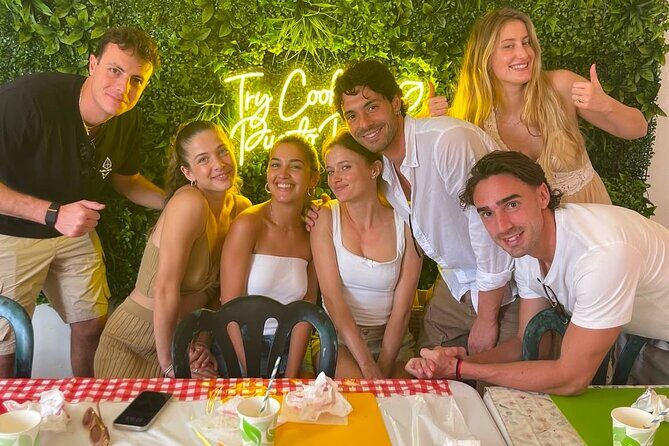
Chef Mauro is the kind of instructor who makes the kitchen feel relaxed. Multiple people call out how he’s patient, helpful, and entertaining, which matters because the best cooking lessons don’t just teach steps—they reduce the stress of getting it wrong. If you’ve ever felt awkward in a class setting, this style is built to keep things easy.
The teaching focuses on technique. You’ll hear about why ingredients work together—like how sofrito builds flavor depth, or how adobo is used to season and bring out the ingredients. You’ll also learn the “why” behind island staples like plantains, so you understand what you’re doing instead of just copying a method.
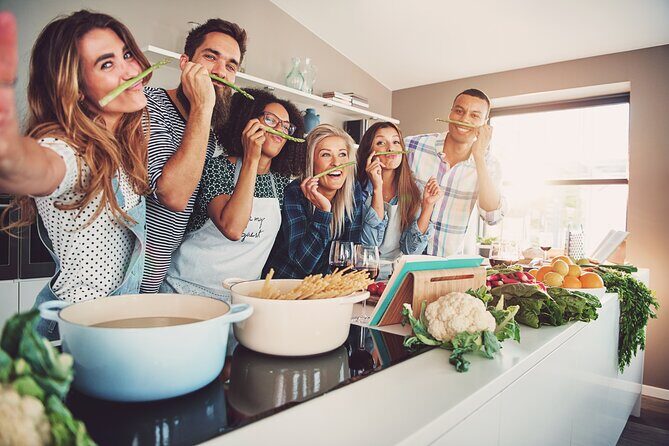
Small group size is part of the magic here. With up to 12 people, you’re more likely to get attention when you need it, and you can ask questions without waiting forever for your turn.
The Menu: What You’ll Cook and Eat (and Why It Matters)
This experience is built around classic Puerto Rican favorites. You can expect to make and taste items such as Piña Coladas, Sofrito, Tostones baskets, and Quesitos. Depending on the class flow, you may also work with other familiar island flavors like plantain-based dishes.
Let’s break down why each piece is worth your time:
Piña Coladas: Not Just a Drink, a Flavor Lesson
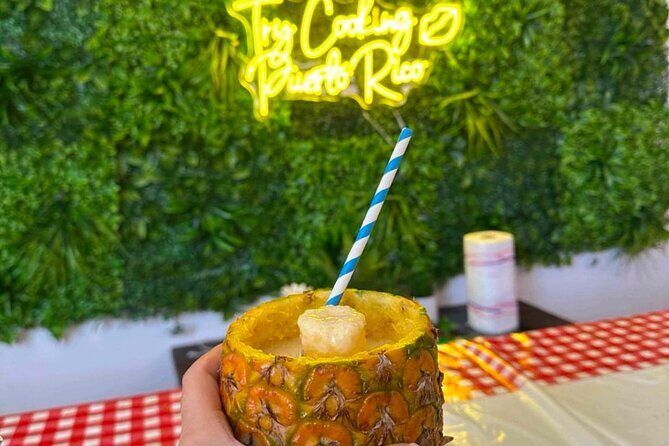
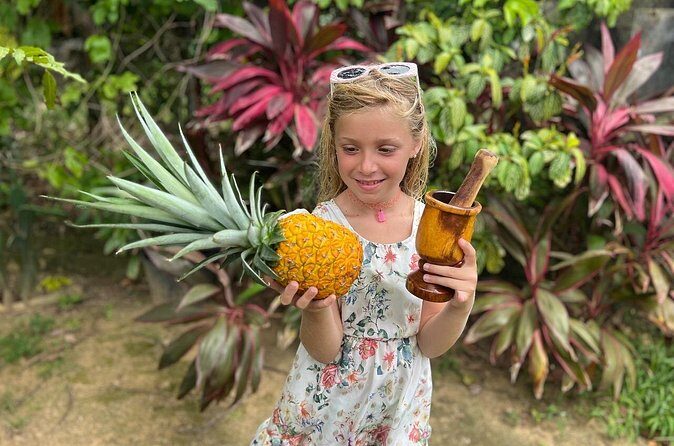
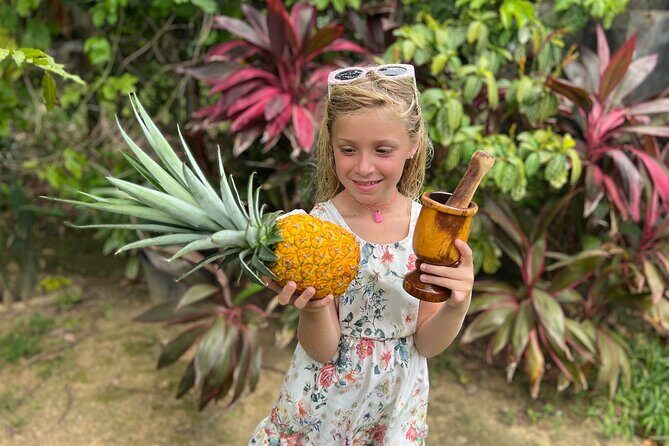
You’ll learn a piña colada as part of the experience, and it’s not presented as a one-note mixer. In fact, many people highlight pineapple piña coladas as a standout, which makes sense—Puerto Rican cooking often leans on fruit-forward balance rather than sugary heaviness.
A few more San Juan tours and experiences worth a look






Sofrito: The Flavor Backbone
Sofrito is one of those terms you’ll hear everywhere in Puerto Rican food, but here you’re not stuck with a vague definition. You’ll make it and learn how it becomes the base for so many dishes. That means when you cook at home later, you’ll have a real starting point.
Tostones Baskets: Plantains with Crunch and Structure
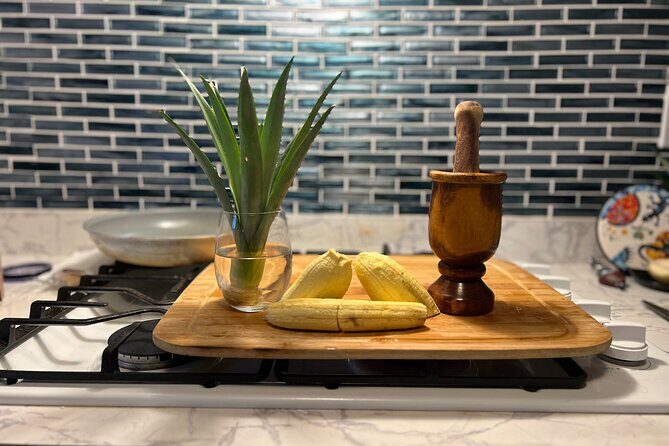
Plantains aren’t always a crowd favorite in every country, but this class approach helps you see them differently. Tostones baskets are built around crisp texture and serving style, which makes the food feel complete, not just fried slices on a plate.
Quesitos: The Sweet-Hand Pie Moment
Quesitos bring the lesson into dessert territory. You’ll learn and taste these pastry treats, which adds variety and shows how Puerto Rican food balances savory depth with comforting sweetness.
Mofongo Cups and Chicken Pairings
Some sessions include dishes like sofrito with chicken in mofongo cups. If you like comfort food with structure, this is a satisfying combination. The mofongo element makes the whole plate feel substantial, while sofrito keeps it from tasting flat.
Savory + Sweet Means You Actually Get a Meal
One reason people rate this so highly is simple: you don’t leave hungry. The tastings are described as generous, and the dishes are made fresh for the class. That turns the experience into a real food outing, not just a bite-sized sampling event.
On the sweet side, guava pastry treats come up in the standout comments. That matters because guava is one of those flavors that feels distinctly Puerto Rican without needing to be flashy. It’s a taste that lingers.
There’s also a practical note: if you have dietary restrictions, ask. One experience specifically mentions celiac needs, with a gluten-free dessert accommodation. Since that’s possible in at least some cases, it’s worth contacting the provider before your date so they can plan appropriately.
Cultural Context Without the Lecture
This isn’t positioned as a history museum tour. It’s more like learning how the island cooks and talks through food. You’ll explore Puerto Rican culture through the ingredients and the cooking process—why plantains show up in so many ways, how sofrito functions as a foundation, and how seasoned flavors like adobo are used.
Music can also be part of the atmosphere. Some people mention salsa music during the cooking, which helps keep the energy light and social. That’s a good sign for the kind of tour this is: you’re meant to enjoy the process, laugh a little, and eat well.
Price and Value: Is $89 Worth It?
At $89 per person for about 2 hours, this can feel like a “treat” price. The value question is whether you’re paying for education, food, and an experience—versus just paying for a meal.
Here’s what makes the pricing feel fair based on what’s included:
- You’re doing hands-on cooking with a local chef.
- You’re making multiple items, not one quick recipe stop.
- You’re tasting a full set of Puerto Rican dishes, plus drinks.
- You’re in a small group (max 12), which usually means better attention and a more personal experience.
If your goal is simply to eat, you might find cheaper meal options. But if your goal is to learn practical techniques—especially sofrito and plantain cooking—and leave with a sense of how Puerto Rico flavors food, this price starts making sense.
Meeting Point in Piñones: How to Arrive Smoothly
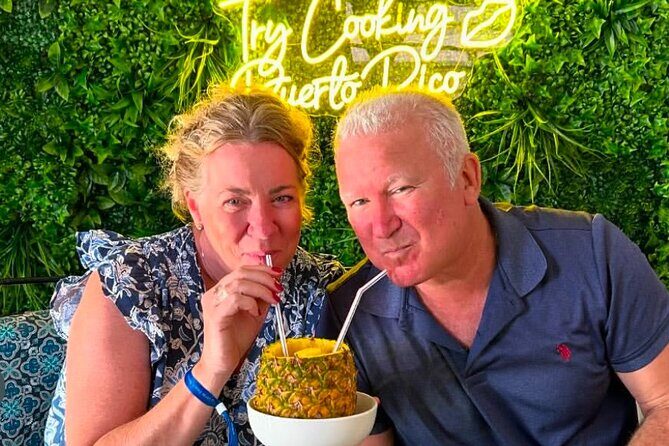
The meeting point is at Try Cooking Puerto Ricolado, opposite Centro Comunal Piñones on PR-187 in Carolina, Loíza 00772, Puerto Rico. The tour ends back at the same meeting point, so you don’t need a separate pickup.
Because the start is tied to a specific location, I’d build in a little extra time to get oriented. Piñones is not the same kind of easy-to-navigate grid as some central-city areas, and a few extra minutes can save you stress.
Also, bring your expectations to match the style: this is small-group and relaxed. You’re not attending a silent demonstration. You’re cooking, tasting, and moving through steps.
Weather, Comfort, and What to Bring
This experience requires good weather. If conditions are poor, it may be canceled and you’ll be offered another date or a full refund. So on days when the forecast is iffy, plan for flexibility.
For comfort, dress for a kitchen setting. Even without every detail spelled out, cooking classes usually mean you’ll be standing, tasting, and moving around while ingredients are prepared nearby. Comfortable shoes help, especially when you’re in a coastal area.
If you use a phone for tickets, good news: the tour uses a mobile ticket. You’ll want to keep your confirmation handy on your device so you can show it quickly when you arrive.
Should You Book This Caribbean Food Experience?
I think you should book it if you want a Puerto Rican food experience that feels practical, social, and meal-focused. It’s a strong pick for food lovers who like learning through doing, and it works well for couples too—you’ll be part of a small group, and the pace is relaxed.
I’d skip it or reconsider if you’re looking for a long, scripted sightseeing day. This is about cooking and tasting, so if you mainly want landmarks and photos, you may feel like you’re spending your time inside a food-focused bubble.
One last decision helper: if you’re curious about specific staples—sofrito, plantains, tostones, and quesitos—this is the kind of tour where those words turn into skills you can use later.
FAQ
How long is the Caribbean Food Experience in San Juan?
The tour lasts about 2 hours.
How much does it cost?
It costs $89.00 per person.
Where does the tour start and where does it end?
It starts at Try Cooking Puerto Ricolado opposite Centro Comunal Piñones, PR-187, Carolina, Loíza 00772, Puerto Rico, and ends back at the meeting point.
Is it a small-group tour?
Yes. The tour/activity has a maximum of 12 travelers.
What should I expect to cook and taste?
You’ll learn about and make items such as piña coladas, sofrito, tostones baskets, and quesitos, with generous tastings of classic dishes.
Do I need to print anything?
No. It uses a mobile ticket.
When will I get confirmation?
Confirmation will be received at the time of booking.
Is there a cancellation policy if weather is bad?
The experience requires good weather. If it’s canceled due to poor weather, you’ll be offered a different date or a full refund.
What is the cancellation window?
Free cancellation is available up to 24 hours in advance for a full refund.
Are service animals allowed?
Yes, service animals are allowed.